
SMART VILLAGES CANADA
A Future Worth Building
Independent Living Plus for Active Adults 55+
and First Nations Young Elders
Chinampas Living ™
A shade of blue ...
Healthy Longevity in a Healing Place. Science calls them Blue Zones, the handful of places on earth, from Sardinia to Okinawa, where people routinely live past 100 with their health and purpose intact. A decade of research says it is not genetics. It is food, movement, connection, place, and working together. Chinampas Living is built on that same science, and on the older Indigenous truth beneath it: food, water, living soil, and people as one living system.
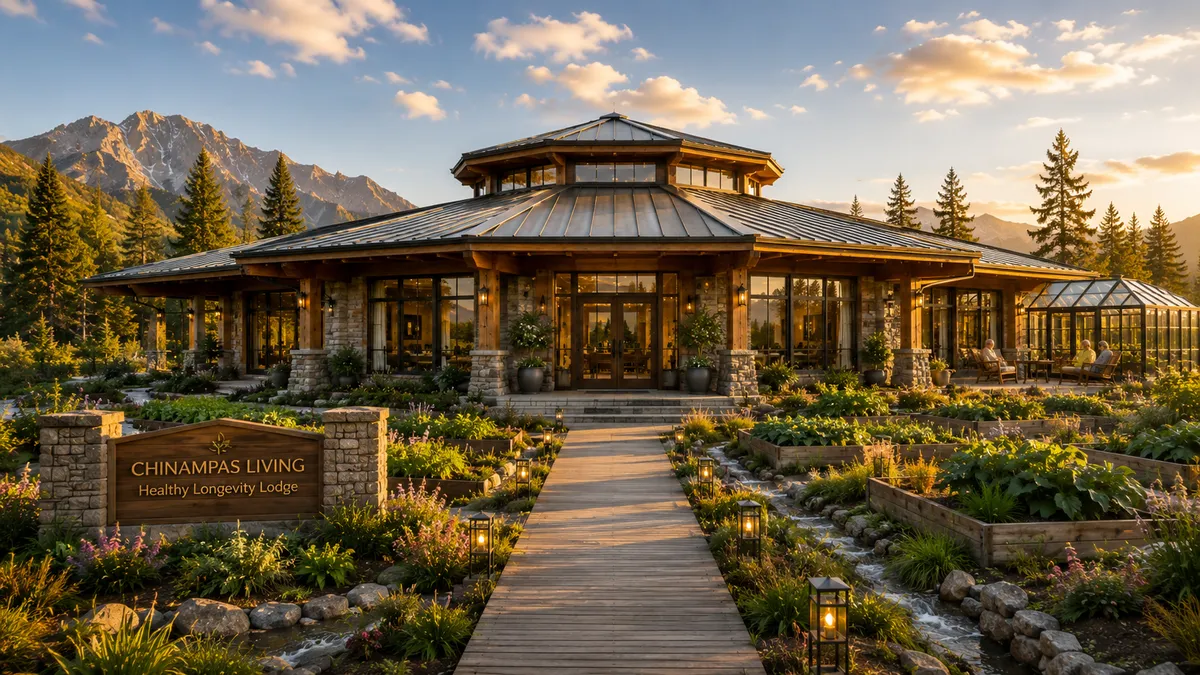
Healthy longevity is the New Frontier.
A proposed concept designed around private suites, shared meals, transportation, biophilic spaces, lower-maintenance living, micro-farm gardens, seasonal warm-weather living options, and a possible home ownership pathway. Early interest and market research only.
Chinampas Living™ is Independent Living Plus, designed around the biology of healthy aging. It is being explored as a small-lodge lifestyle model in British Columbia for active adults 55+ who value independence and self-directed living, not assisted living. The concept combines private suites, shared meals, a working micro-farm, fresh food, community, wellness, biophilic design, transportation support, and lower-maintenance living. A seasonal warm-weather living option and possible home-transition pathway are also being explored as part of the broader lifestyle model. This page is for early interest and market research only.
Chinampas Living™
The Method
Healthy homes, fresh food, living soil, wellness, and community by design.
Chinampas Lodges
The Places
Small BC-based lodges being designed for active adults 55+ who want to live well longer.
Seasonal Living
The Lifestyle Stack
Northern summer. Southern winter. Lower maintenance. More freedom by design.
BC Rural + Urban
The Models
Rural land-based and urban compact living versions are being explored.
Northern Summer. Southern Winter. By Design.
Two homes, one healthy longevity protocol.
Most retirement housing pretends winter doesn't happen. You move into a building, the calendar turns, the snow comes, the daylight goes, and the same brochure that promised "active living" goes quiet for the worst of it.
Chinampas Living™ is being designed the other way.
A northern winter can quietly work against some of the habits that support healthy aging. Less daylight, less vitamin D, less outdoor movement, less social contact. Sleep can shift. Mood can shift. Some of the healthy momentum built during the rest of the year can begin to erode during the deepest weeks of winter. The science on that is steady enough to plan around.
So we are planning around it.
Chinampas Living™ is being designed as two connected addresses. A Canadian lodge as the year-round home base. A seasonal home in the south for the months of winter that would otherwise pull the longevity work apart. Sun. Movement. Water. People. The same conditions the lodge keeps in the warmer months, kept available in the weeks when the north can't.
This is part of what the "Plus" in Independent Living Plus is doing.
Independent Living, in the housing industry, means a building with apartments and some shared amenities. Plus is what gets added: a year-round home base with food grown on site, a small number of neighbours instead of a hundred, an equity pathway instead of just rent, and a seasonal half in the south for the months a northern winter would otherwise cost you.
That is the structure. What runs through it, the method itself, is next.
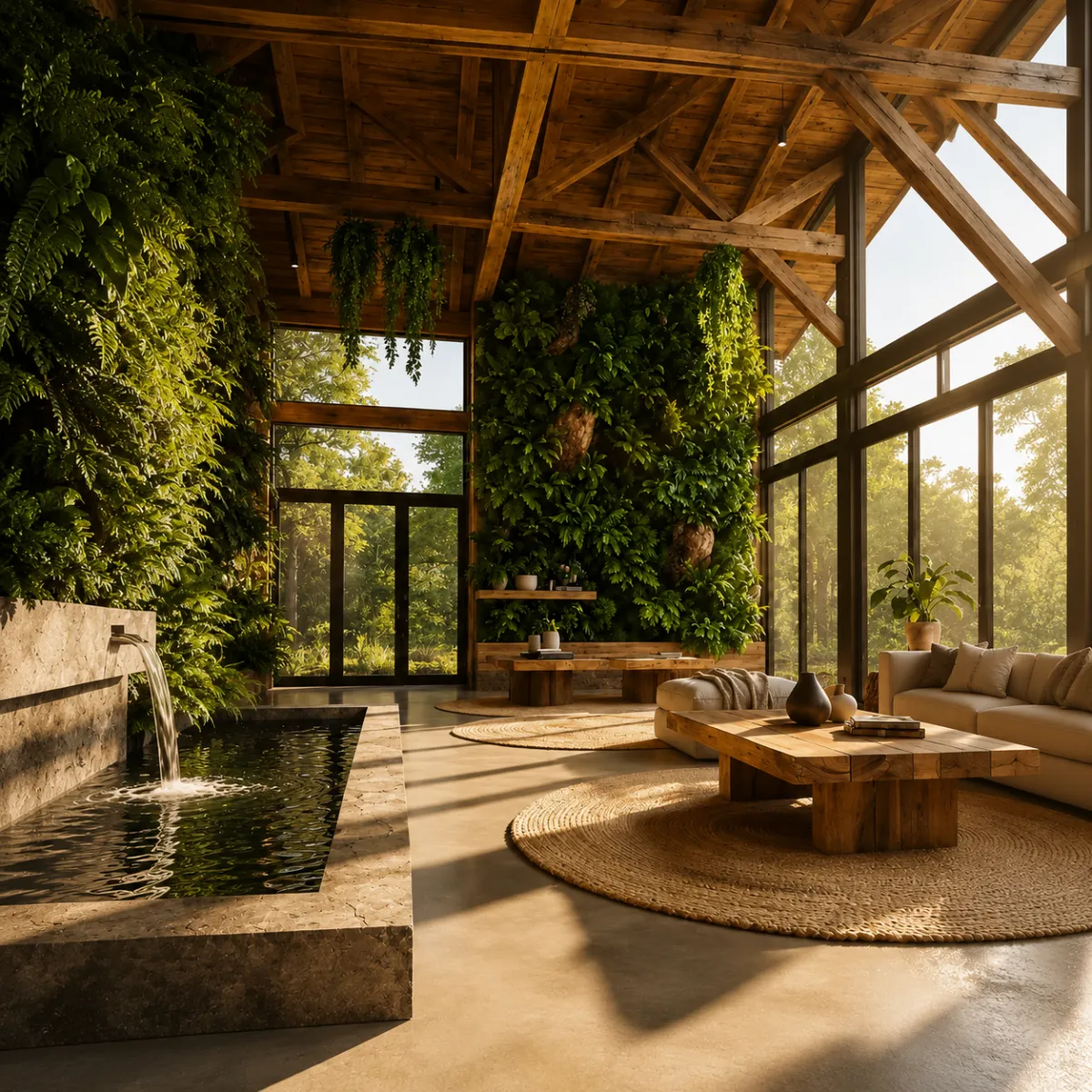
Where you live. Where you winter.
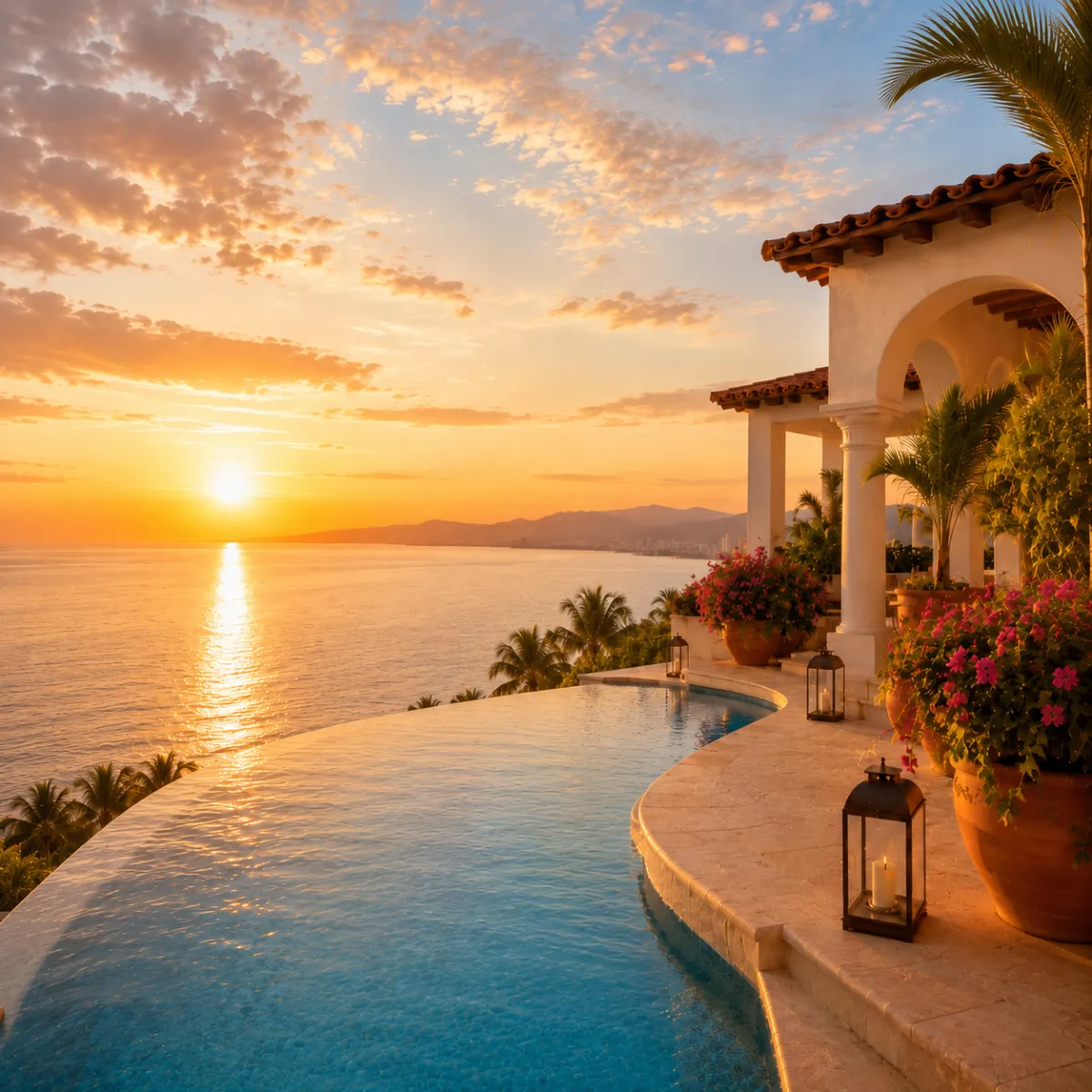
What is Chinampas Living™?
Ancient Soil Wisdom. Modern Healthy Longevity for an Abundance of Life.
Chinampas Living™ is a healthy-longevity method built around healthy homes, fresh food, living soil. By design.
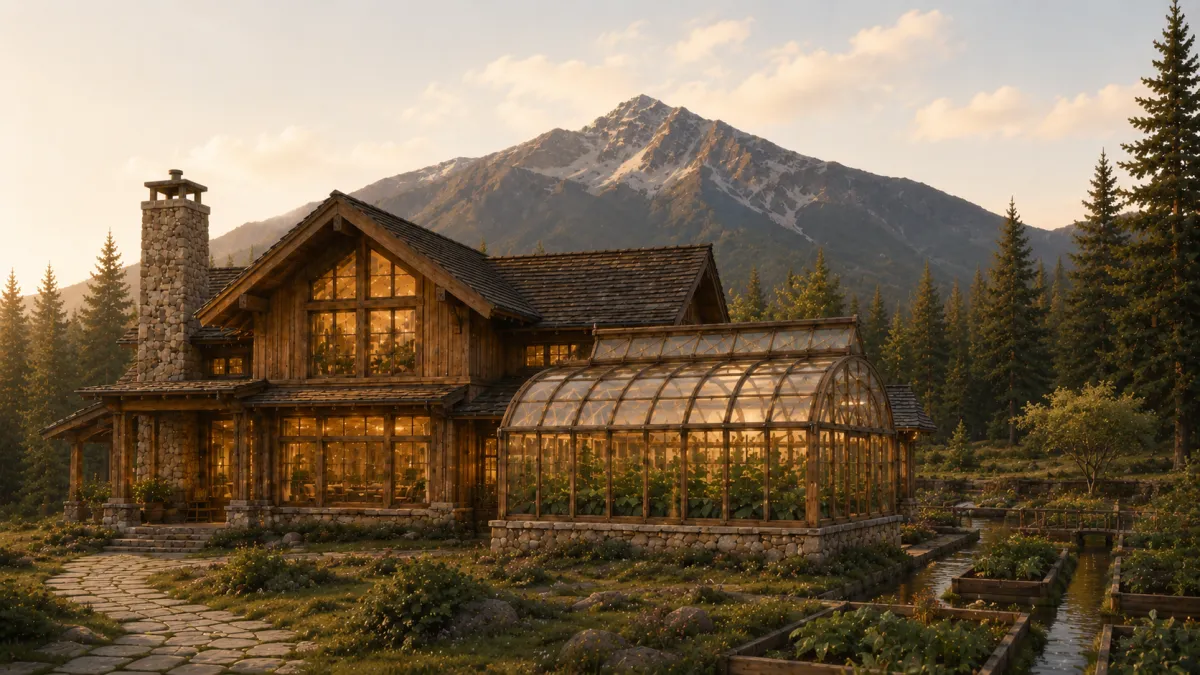
The inspiration comes from the ancient Chinampas raised-bed growing system, where food, water, soil, and people worked together as one living system. Chinampas Living carries that wisdom forward into modern lodge design, biophilic spaces, smart growing systems, and a practical focus on how active adults actually want to live as they age.
The model was shaped in part by co-founder Ed Champion’s 2017 Singularity University Canada Global Impact Challenge experience at NASA Ames Research Center. The GSP challenge brought together exponential technology, food systems, human health, and the UN Sustainable Development Goals around one practical question: how to help people live healthier, longer, more connected lives.
Chinampas Living™ is not about decorative gardens. It is about food as living infrastructure: high-yield micro-farms, fresh harvests, nutrient-rich meals, and daily connection to the soil and systems that nourish your gut and support healthy aging.
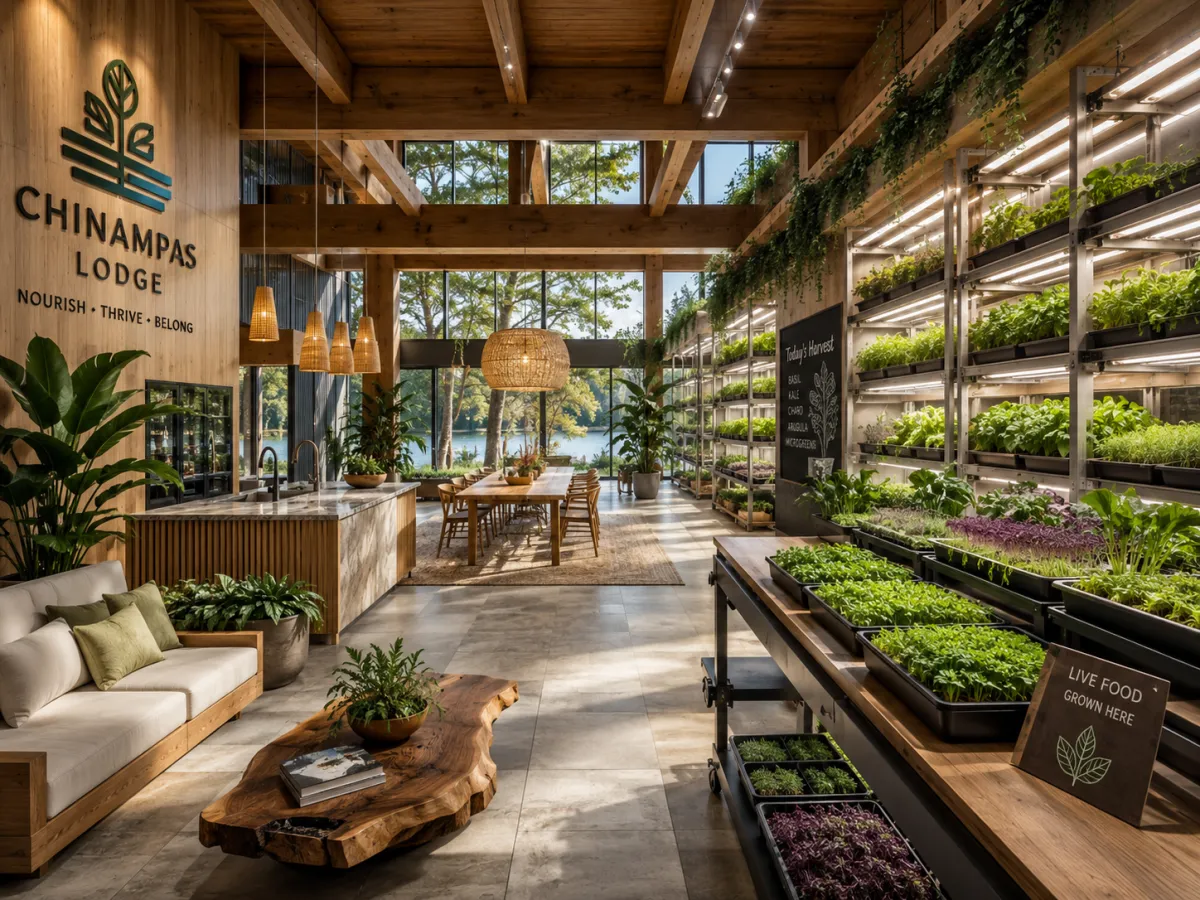
Ancient Indigenous Wisdom
Rooted in Indigenous growing systems like Chinampas, and in the understanding that food, water, soil, people, and place are part of one living system.
Modern Micro-Farm Technology
High-yield growing systems, biophilic design, and smart operations that make fresh food part of daily life.
Healthy Longevity
A method built for active adults who plan to keep their independence, vitality, and connection. And add more healthy years.
Food as Living Infrastructure
The Chain and Science We Built It On
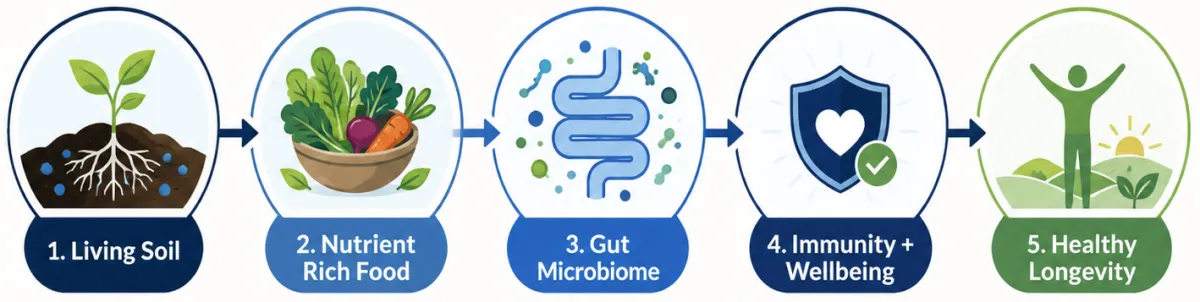
The emerging science is clear enough to matter: the gut microbiome is not a side issue. It plays a central role in digestion, immune regulation, inflammation, and the gut brain signals connected to mood and wellbeing.
That is why Chinampas Living™ starts with food grown close to home. Fresh greens, herbs, vegetables, and fermented foods are not just menu items. They are part of the living system on site that helps support microbiome diversity, daily nutrition, and a healthier way to age.
Most retirement housing treats food as a service. Chinampas Living™ treats food as infrastructure. The goal is to connect where you live with what you eat, how you feel, and how well you can keep participating in life for healthy longevity.
The chinampas method also creates space for reviving heritage food varieties and traditional Indigenous knowledge that has been largely displaced by industrial agriculture. Each lodge is being designed as a working classroom as much as a residence. The micro-farms become sites for cultivating ancestral seeds, integrating traditional growing knowledge with modern technique, and sharing what is learned across generations and communities. This is being designed in consultation with First Nations communities, not adjacent to them.
Two Canadian Lodge Models. One Shared Resort.
Where Chinampas Living™ Lives.
Rural Lodge
For active adults who want to live close to the land. A small lodge close to an urban center with a working micro-farm at its heart. Hands in the soil. The work shared, the pace ours. The food the micro-farm grows feeds the lodge and is sold into the surrounding community.
Urban Lodge
For active adults who want city living with the Chinampas method built in. A compact lodge in an urban setting, with biophilic indoor growing systems and walkable access to the things cities make easy. Resident count between 4 and 40, depending on local zoning.
Resort
Shared by every Founding Resident, regardless of which Canadian lodge they call home. A southern home where Founding Residents go when a Canadian winter would otherwise pull the longevity work apart.
A Co-Founder's Note from Ed Champion
The Place I Was Looking For Didn't Exist
As a serial entrepreneur and former First Nation Chief, I have spent my career working across business, real estate, sales, marketing, financing, construction, development, and Indigenous economic development.
That experience taught me something simple: the built environment shapes how people age. It can make life heavier, more isolated, and more expensive. Or it can make the next chapter feel lighter, healthier, and more connected.
When I started looking for where I would want to live for the next chapter of my own life, the answer was not there. I looked at retirement complexes that felt like waiting rooms. I looked at independent living that treated amenities as the lifestyle.
I looked at the wellness brochures and saw the same buildings in different fonts. Nothing was built around how I actually wanted to age: still independent, close to nature, eating food I trusted, surrounded by real neighbours, real purpose, and a place that felt like home.
So we are building it with partners who see the same opportunity. Chinampas Lodge is being explored as a different kind of next chapter: small, human-scale, nature-connected, food-centered, and designed for people who want more than a traditional retirement residence.
My purpose is to help as many people as possible find one and to experience healthy longevity to age well.
A Co-Founder's Note from Stephen Hill
The Ideal Place for Many of My Clients Didn't Exist Until Now
I was named in the top 1% of financial planners globally for seven consecutive years before I retired, earning the TOT designation. Over the decades of that career, I helped thousands of people achieve their financial goals. But what good is money without health? A person with health has many dreams. A person without it has only one.
Across those decades, I watched the same pattern unfold. My clients did everything right. They saved. They invested. They retired with security. And then they ran out of places to live well. The retirement industry built complexes that looked beautiful in the brochures and felt like waiting rooms on the inside. My most successful clients told me the same thing year after year: I have the resources to live anywhere, and nowhere feels right.
This is not a niche concern. There are millions of active adults across Canada and the United States entering this stage right now, and most of them are rewriting what "retirement" means. They do not see themselves as retirees. They see themselves as people with twenty or thirty active years ahead. They want a place built for that, not for the version of aging the industry has been selling.
The Chinampas Living™ concept is the first idea I have seen built around ancient wisdom and modern technology for healthy longevity as its actual organizing principle. Not a marketing layer over the usual retirement model. The biology of healthy aging, including the food, the soil, the climate strategy, the human scale, runs through the design itself. When Ed described it to me, I recognized it immediately as what my clients had been looking for and could not find. That is why I am here as co-founder. My role is to help make this possible for people I've advised, and as many others as we can reach, once market research is complete and regulatory matters are addressed.
If you are an active adult thinking about where you want to spend the next chapter, this is the time to be on the interest list. For many of the clients I advised, the hardest part of the move wasn't where to go. It was the home they were already in. What comes next is being designed for that friction.
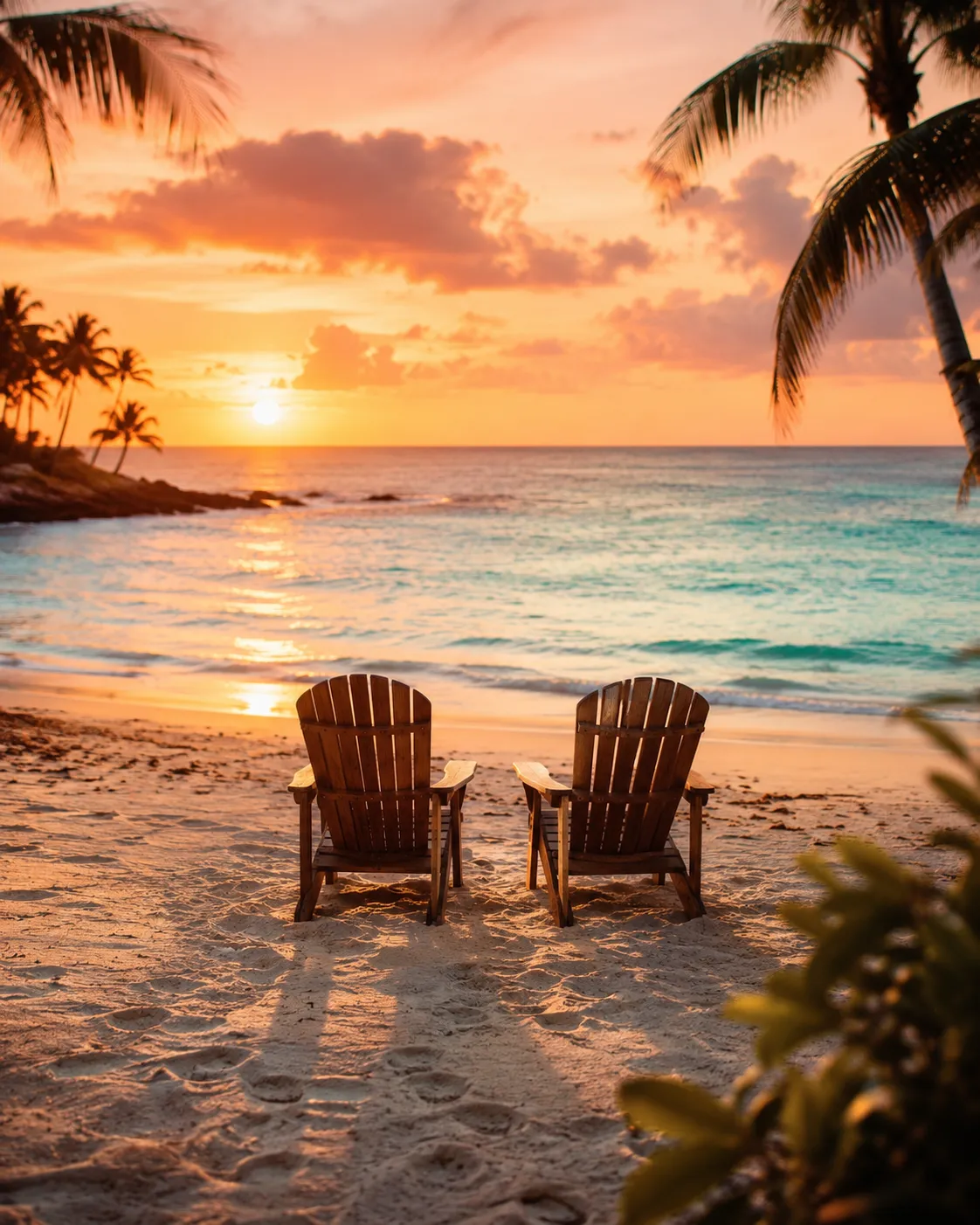
The Path Being Explored.
Three transactions on three timelines.
What if the developer bought your existing home?
And that became your path into Chinampas Living™ ?
Most active adults face the same friction when deciding where to live next. Sell the existing home first. Find the next place. Figure out where to spend winters. Three decisions on three timelines, and each one drains the next.
A different transition path is being explored. The developer purchases your existing home as part of a structured transition into a Chinampas Lodge residence, with seasonal access to the Resort built in.
One decision instead of three. The cost, upkeep, and uncertainty of running a traditional home goes away in the same step you take into the lodge.
Details of the transition mechanism are being finalized with British Columbia legal and securities counsel. Specifics are part of the market research currently being gathered.
Early interest only. No cost. No commitment. Chinampas Living is gathering market feedback only. This is not an offer to purchase your home, sell or lease a residence, reserve a unit, provide International access, offer an investment, or create any property, occupancy, ownership, or securities rights.
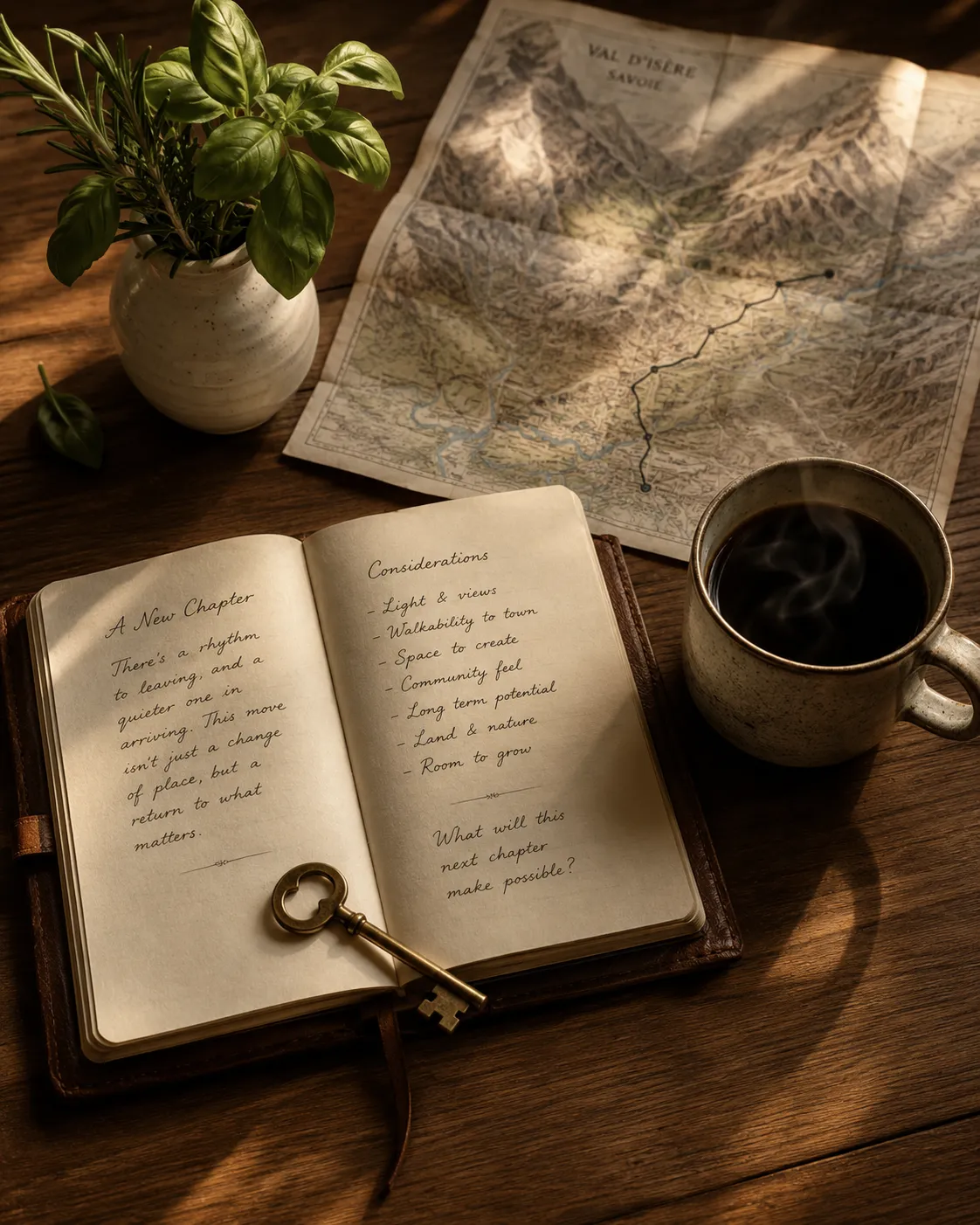
What's A Morning Like in a Lodge?
Tuesday morning in the Smithers Area
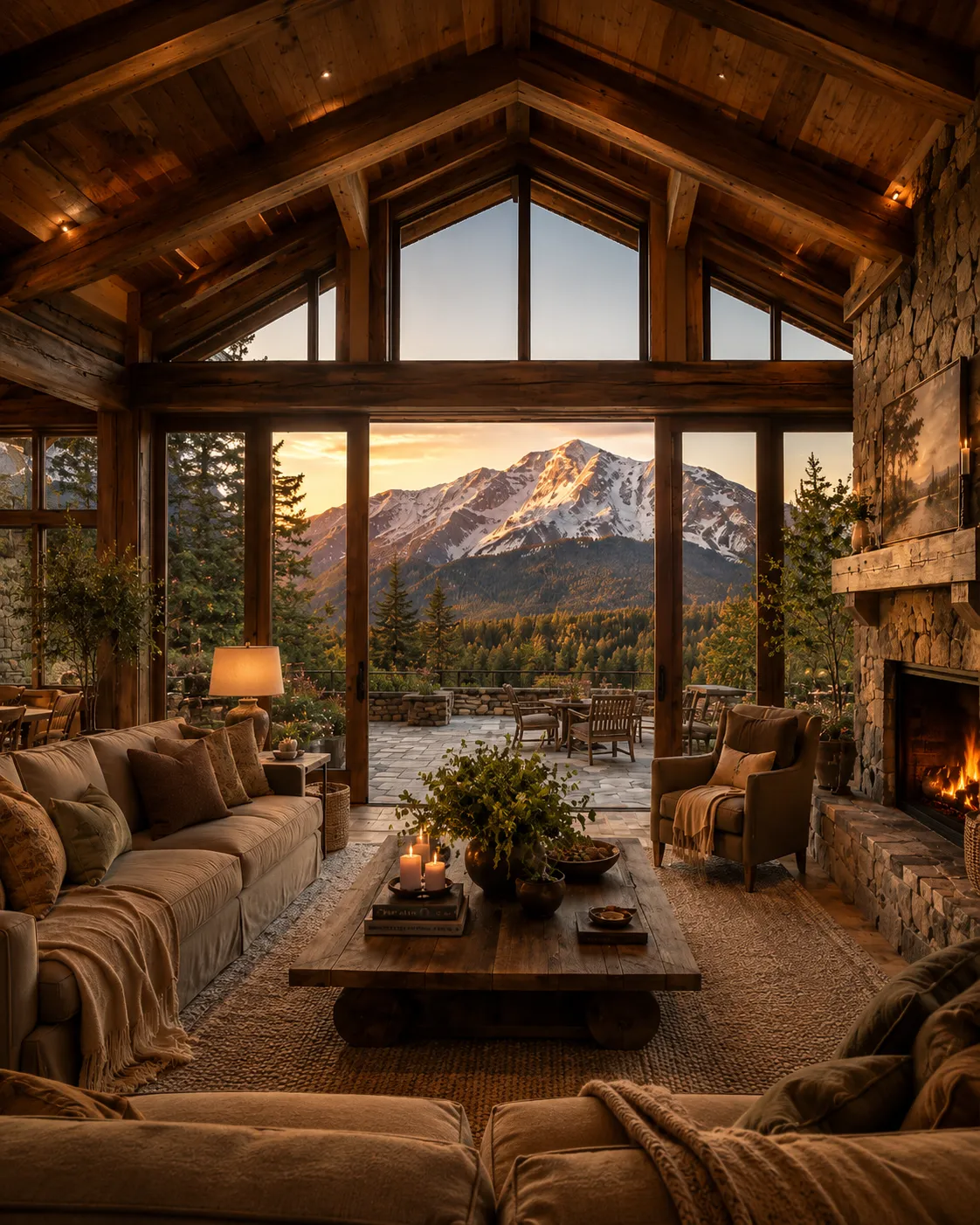
Light comes through windows the architect placed for it. The micro-farm just beyond your window is already working — the soil, the water, the people who tend it before breakfast. You can walk out and see where much of your food is grown.
No fluorescent dining hall
A real table with real neighbours, not an institutional cafeteria.
No activities calendar
Your mornings are yours. The lodge is here when you come back.
No amenities pretending
A working micro-farm outside your door, not a garden dressed up as farming.
No 200 strangers in elevators. Twelve neighbours. You know all their names.
No long walk to find outside. The door opens onto the land you live on.
No "later life" framing. A place built for the next twenty active years, not the last five.
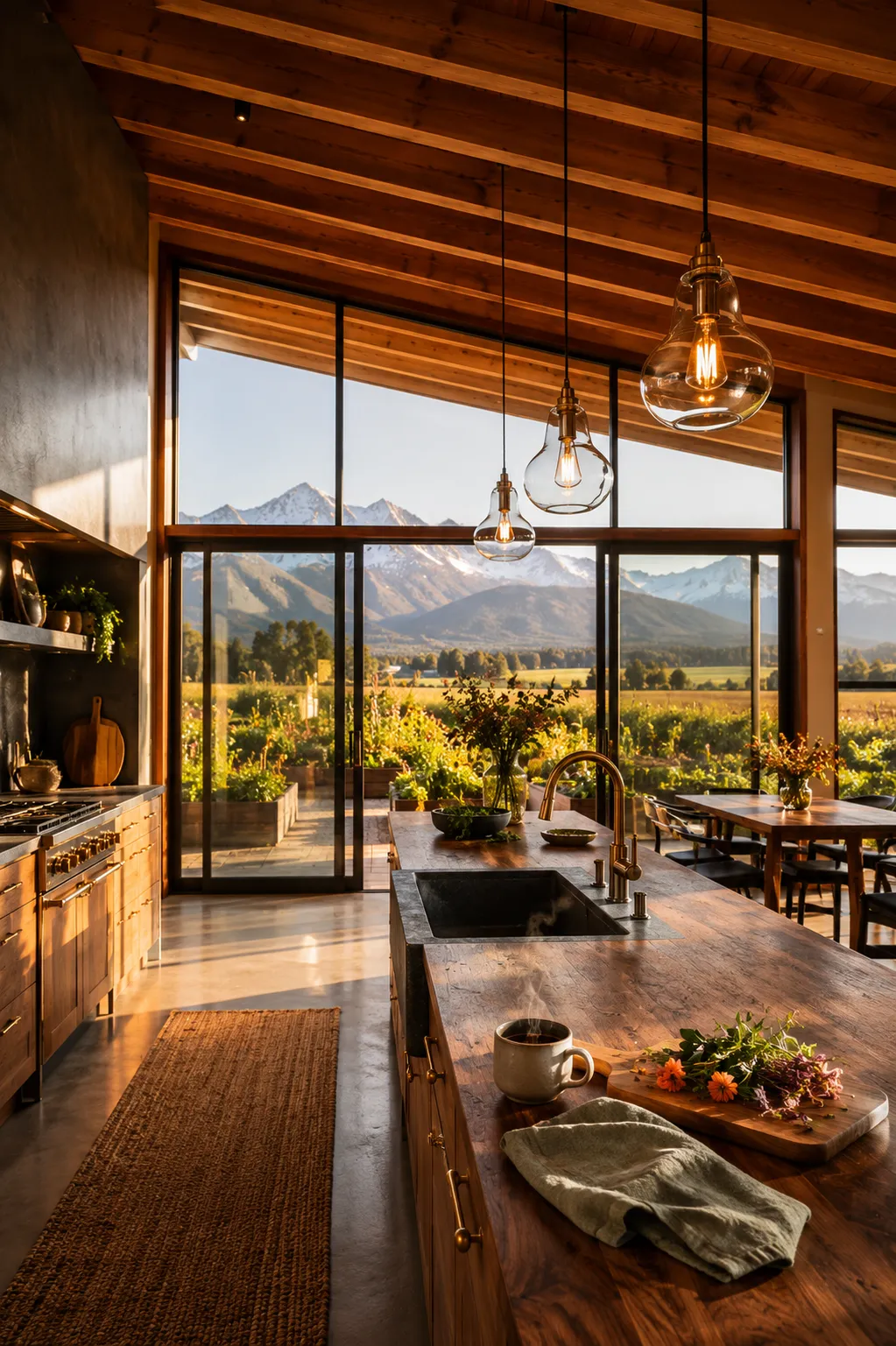
The First Lodge.
Why Smithers Area?
Smithers is a four-season alpine town of about 5,000 in northern British Columbia, in the Bulkley Valley. Mountains on both sides. A walkable Main Street. Hudson Bay Mountain Resort, twenty-five minutes from downtown. Working agricultural land. A regional airport with daily flights to Vancouver. A hospital. Real seasons. World-class fly fishing. Clean water. Thirty minutes to a Saturday in the mountains. One hundred minutes by air to a week on the coast.
First Lodge: Smithers
Anticipated for 2026. The first Rural Chinampas Lodge in the Bulkley Valley.
Second Lodge: Okanagan
Anticipated next. The Okanagan. Orchard country, warmer climate, longer growing season.
More Lodges:
More locations being explored. Both Rural and Urban variants, across British Columbia.
Questions you are probably asking
Is this a retirement home?
No. Retirement homes are built around "levels of care." Chinampas Lodges are built around independent adults who want to keep eating well, moving well, and being around people they actually know. There is no medical wing. There is no waiting room. There are twelve residents, a working micro-farm, and a life you continue. Not one you retire from.
What if my health changes over time?
Chinampas Living is being designed for active adults who plan to keep aging well. The model is focused on healthy longevity and independent living. If a Founding Resident's needs change significantly, where they go next would be part of an open conversation, not something the lodge itself is structured to absorb.
What about visitors, family, and pets?
Visitors, family, and pets are anticipated to be welcome at Chinampas Lodges. Hosting is part of what the lodges are being designed to support. Specifics are part of the market research being gathered now.
Do I have to participate in the micro-farm?
Yes, and that is part of the appeal. A Rural Chinampas Lodge is a working micro-farm, not a garden tended by hired staff. Residents are connected to the land they live on and the food they eat. The work gets done at the pace of active adults with full lives. Two or three of us together can match what a twenty-year-old does alone, and the company is better.
What does it cost to be on the list?
Nothing. No cost. No commitment. Just early access if and when the Lodge and Chinampas becomes available. You can step off the list at any time.
What if I change my mind?
You step off the list. There is nothing to sign. There is no penalty. The whole point of "no cost, no commitment" is that you get to look at the concept without committing.
Who is behind it?
Smart Villages Canada; an Indigenous-led platform building infrastructure for healthy longevity: places to live well, energy systems to power them, and economic models that give people back their time.
What if Smithers isn't the right fit on timing or location
No problem. Stay on the Founding Resident list. Earliest names go first as each lodge becomes available.
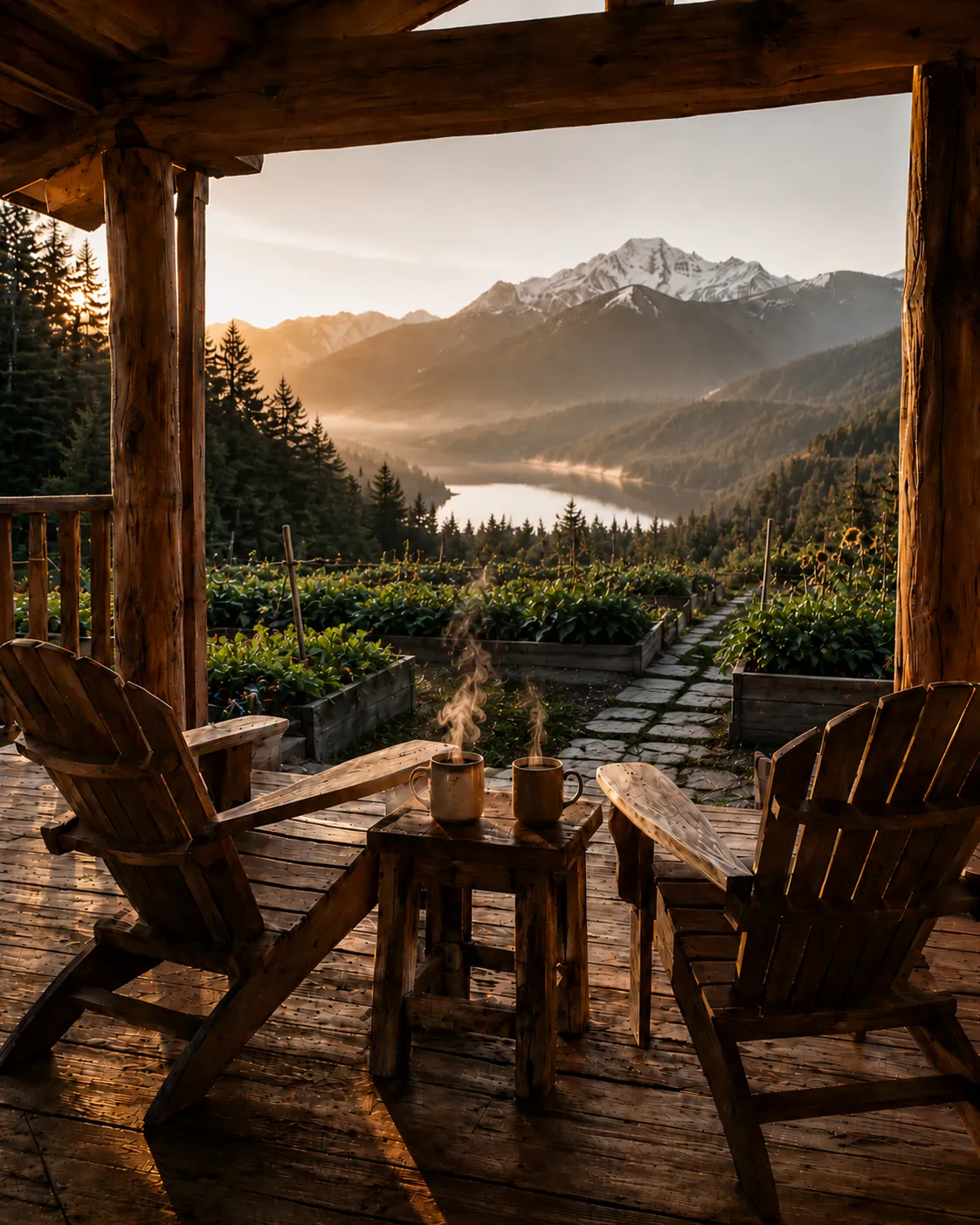
By Design. By Invitation.
Step into Chinampas Living™
You've read enough to know whether your name belongs on the list.
An Interest List. Nothing More.
Important Notice: This page is for early interest and market research only. No cost. No commitment. Nothing on this page is an offer to purchase your home, sell or lease a residence, reserve a unit, provide Interantional access, offer an investment, or create any property, occupancy, ownership, membership, or securities rights. Any future opportunity would be subject to applicable laws, approvals, disclosure documents, final legal agreements, eligibility criteria, availability, independent professional advice, and applicable B.C. laws.
